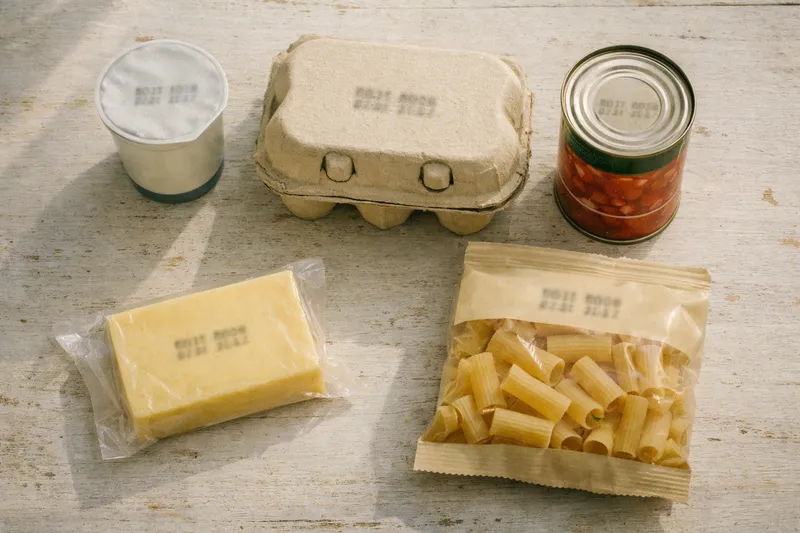
The biggest waste in your trolley isn’t the food.
The weekly shop is where most households leak money without noticing. You don’t need vouchers, loyalty schemes, or a cheaper supermarket to bring the total down. You need to shop with a plan.
Supermarkets are designed to make you spend more
The layout isn’t accidental. The most expensive versions of everything sit at eye level; the cheaper alternatives are on the bottom shelf, where you have to bend to reach them. End-of-aisle displays look like deals, but they often aren’t. They’re there to make you grab something you hadn’t planned to buy.
Own-brand products are frequently made in the same factories as the premium labels, sometimes with near-identical recipes. The difference is packaging and price. Drop your brand loyalty at the door and compare the ingredients list instead of the logo.
Never shop without a list built from a plan
The most reliable way to overspend is to walk in without a plan. A shopping list built from an actual meal plan means you buy what you need and nothing else. Sticking to it is the hard part, but the discipline pays off immediately.
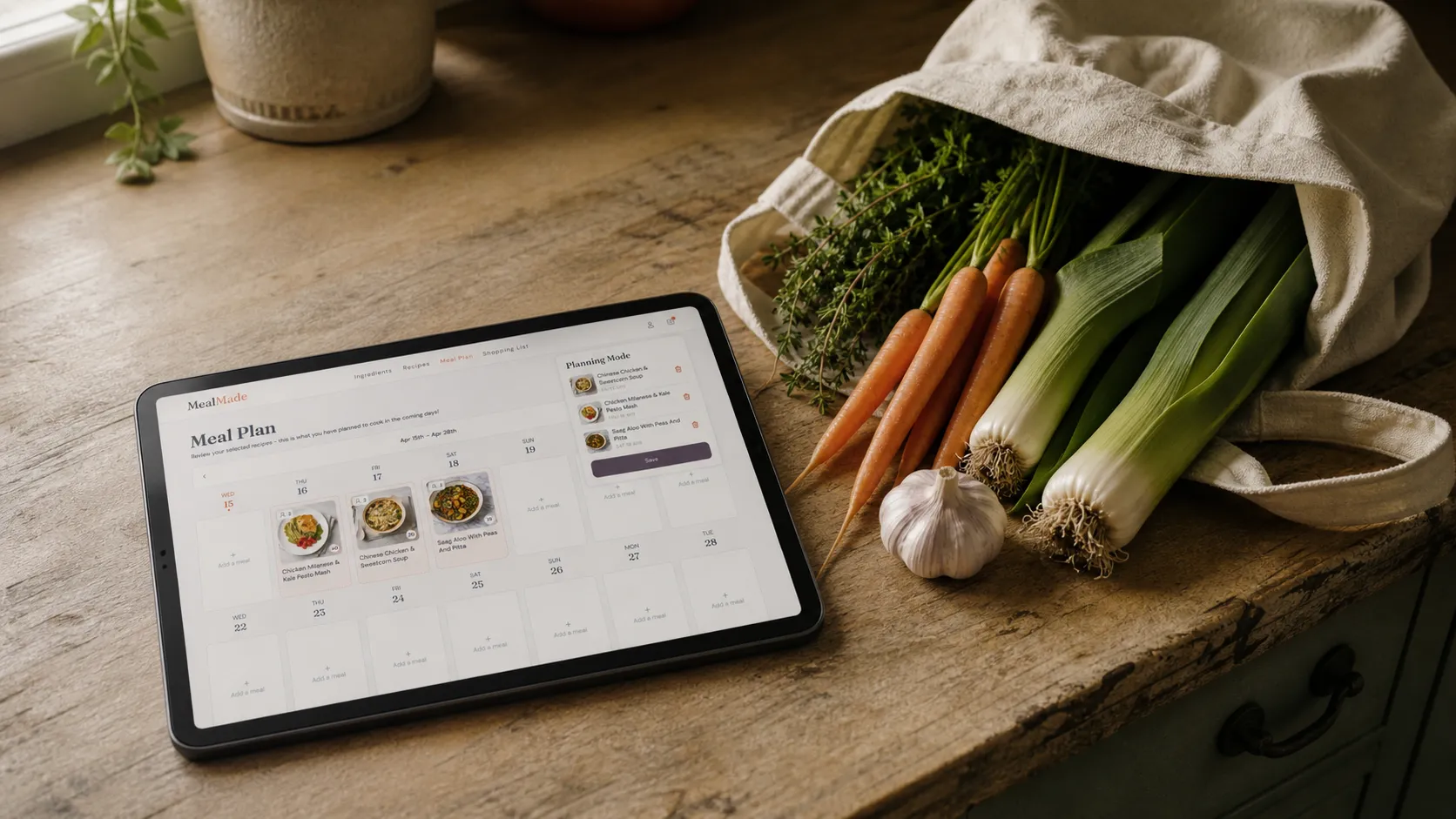
MealMade generates your list straight from your meal plan and filters out what you already have in stock. The list you take to the shops only contains what you’re actually missing, which makes impulse buys easier to resist.
The unit price is the only price that matters
“Buy one get one free” and multi-buy deals aren’t always cheaper. Compare the price per kilo, per litre, or per 100 grams. Sometimes two smaller packs cost less than the “large value” option. Do the maths. Supermarkets count on you not bothering.
The yellow sticker is where the real reductions live, but only buy reduced items if you have a plan for them. A bargain that goes in the bin is still waste.
Frozen and tinned are not compromises
Frozen vegetables are picked at peak ripeness and frozen within hours, often more nutritious than “fresh” produce that’s been in transit for a week. Tinned beans, tomatoes, and fish are cheap, long-lasting, and genuinely useful. These aren’t fallback options; they’re smart staples.
A freezer drawer with frozen peas, spinach, and mixed vegetables, plus a cupboard of tinned chickpeas and chopped tomatoes, gives you the base of dozens of meals without a trip to the shop.
Cook from your cupboards once a week
Designate one meal a week as a “use what we have” dinner. It forces creativity, clears space, and stops you buying more when you already have enough. You’d be surprised what meals emerge from half a jar of curry paste, a tin of chickpeas, and a bag of frozen spinach.
MealMade tracks everything in your kitchen and surfaces what needs using, so you’re not finding out too late that something’s been sitting at the back of the fridge all week.
Meat is not the main event
Meat is usually the most expensive ingredient on the receipt. You don’t need to go vegetarian to save money. You just need to stop treating meat as the automatic centre of every plate. A smaller portion stretched across a curry, stew, or stir-fry feeds the same number of people for a fraction of the cost.
Eggs, lentils, and tinned beans can carry a meal with as much satisfaction and far less expense. Build the plate around the vegetables and the carbohydrate, and let the meat play a supporting role.
A lower grocery bill doesn’t mean eating less well. It means shopping with your eyes open.